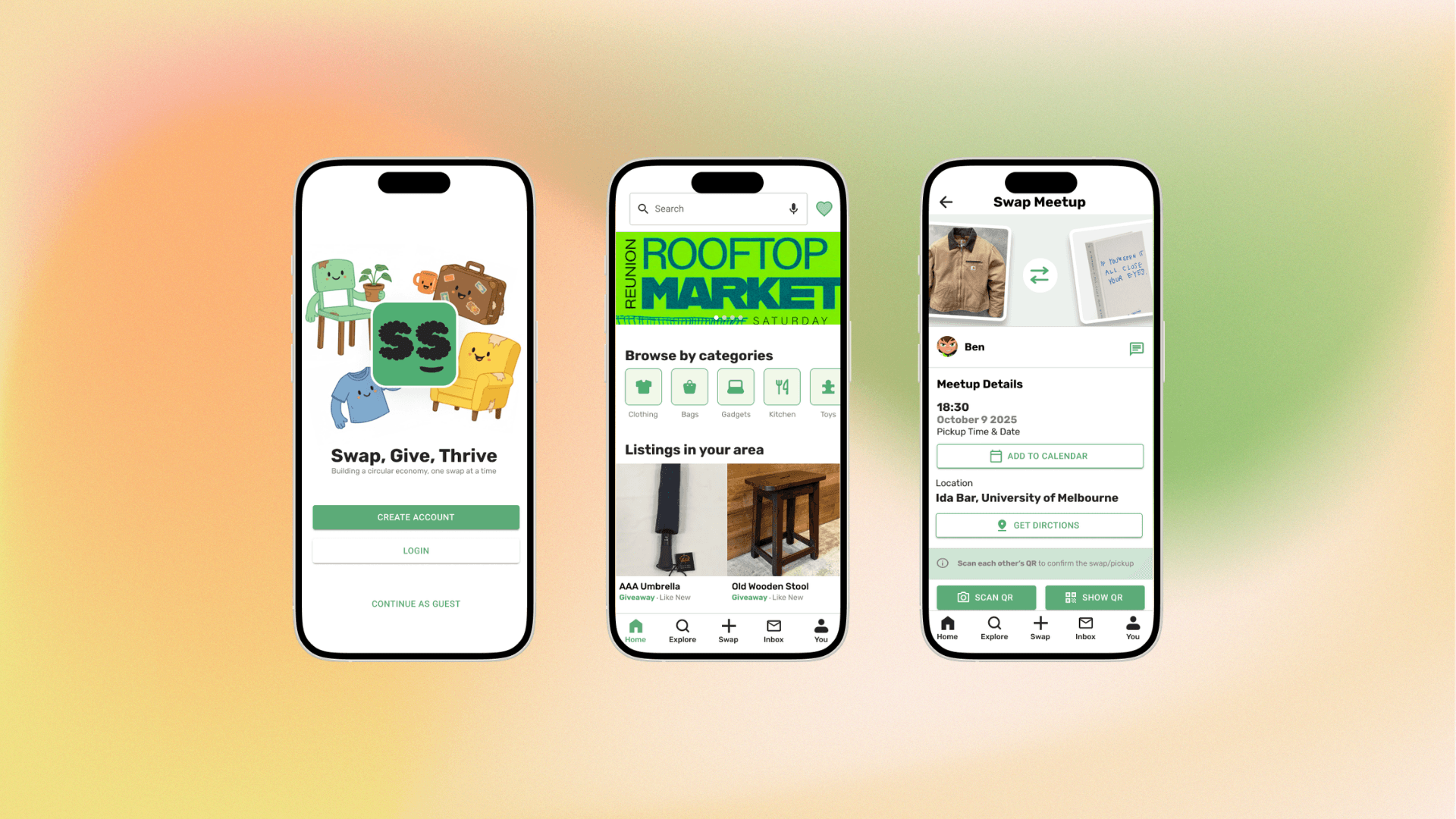
Swap Shop
Designing a community driven peer-to-peer mobile marketplace app that makes swapping items simple, accessible, and sustainable.
Designing a community driven peer-to-peer mobile marketplace app that makes swapping items simple, accessible, and sustainable.
Timeline
Timeline
Fall 2025
4 weeks
Fall 2025
4 weeks
Role
Role
UX Designer
UX Designer
Team
4 UX Designers
Tools
Figma
Team
4 UX Designers
Tools
Figma
Challenge
How might we design a peer-to-peer marketplace that makes item swapping simple, social, and sustainable?
How might we design a peer-to-peer marketplace that makes item swapping simple, social, and sustainable?
Process
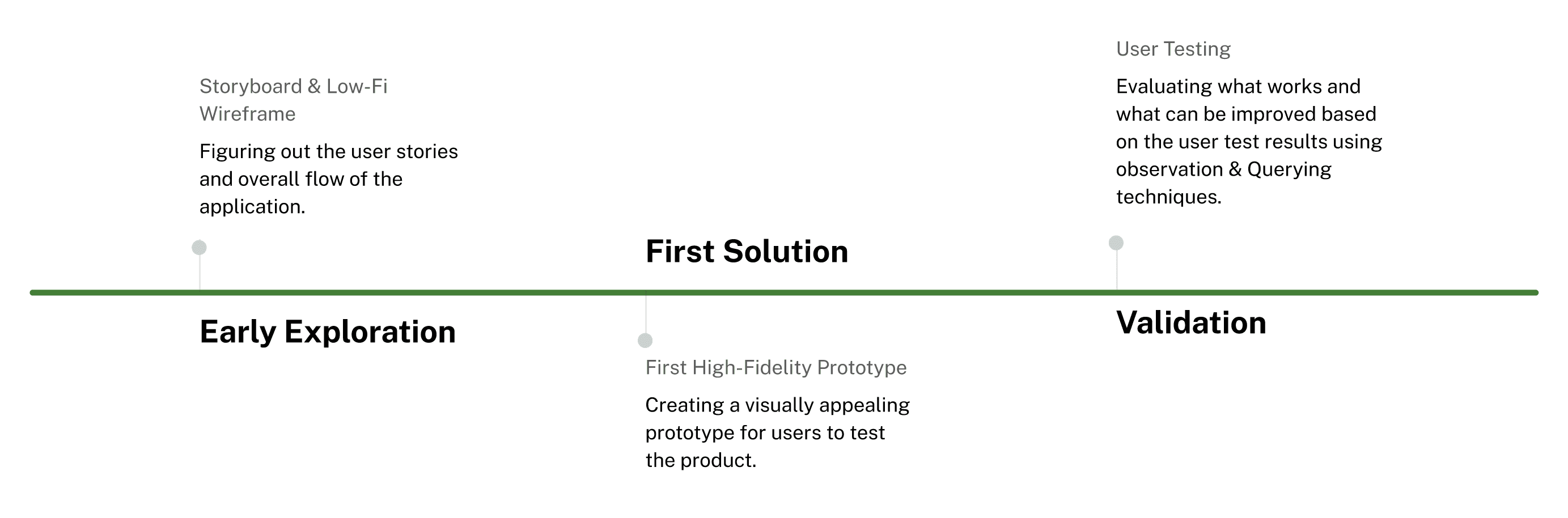
Early Exploration
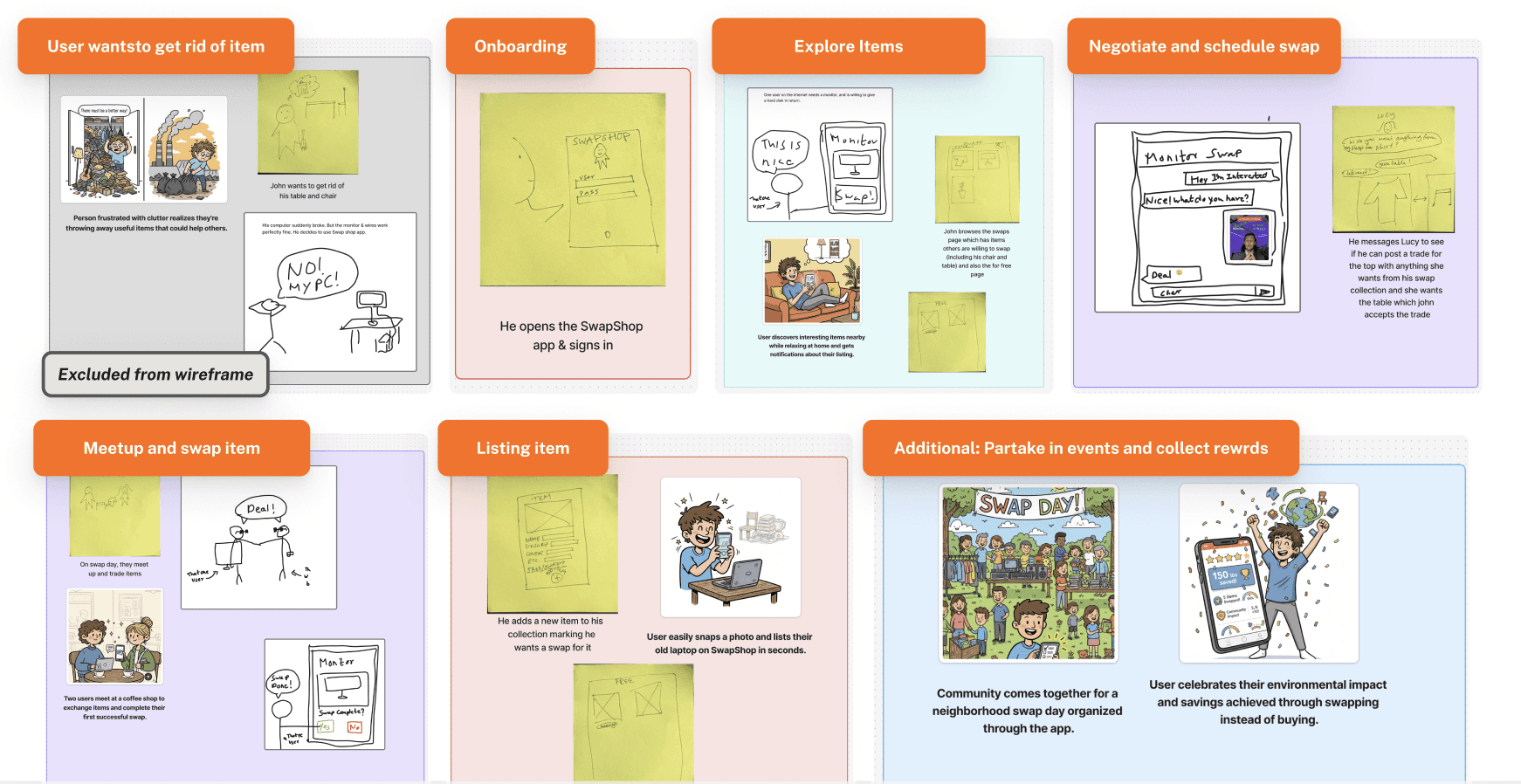
Storyboarding
Main user flows of the marketplace app were mapped through the team storyboarding exercise.
Storyboarding
Main user flows of the marketplace app were mapped through the team storyboarding exercise.
Rapid, low-cost wireframes were created to visualise the main user item swap flow, informed by a team storyboard session mapping the end-to-end experience.
Low Fidelity Wireframes
Rapid, low-cost wireframes were created to visualise the main user item swap flow, informed by a team storyboard session mapping the end-to-end experience.
Low Fidelity Wireframes
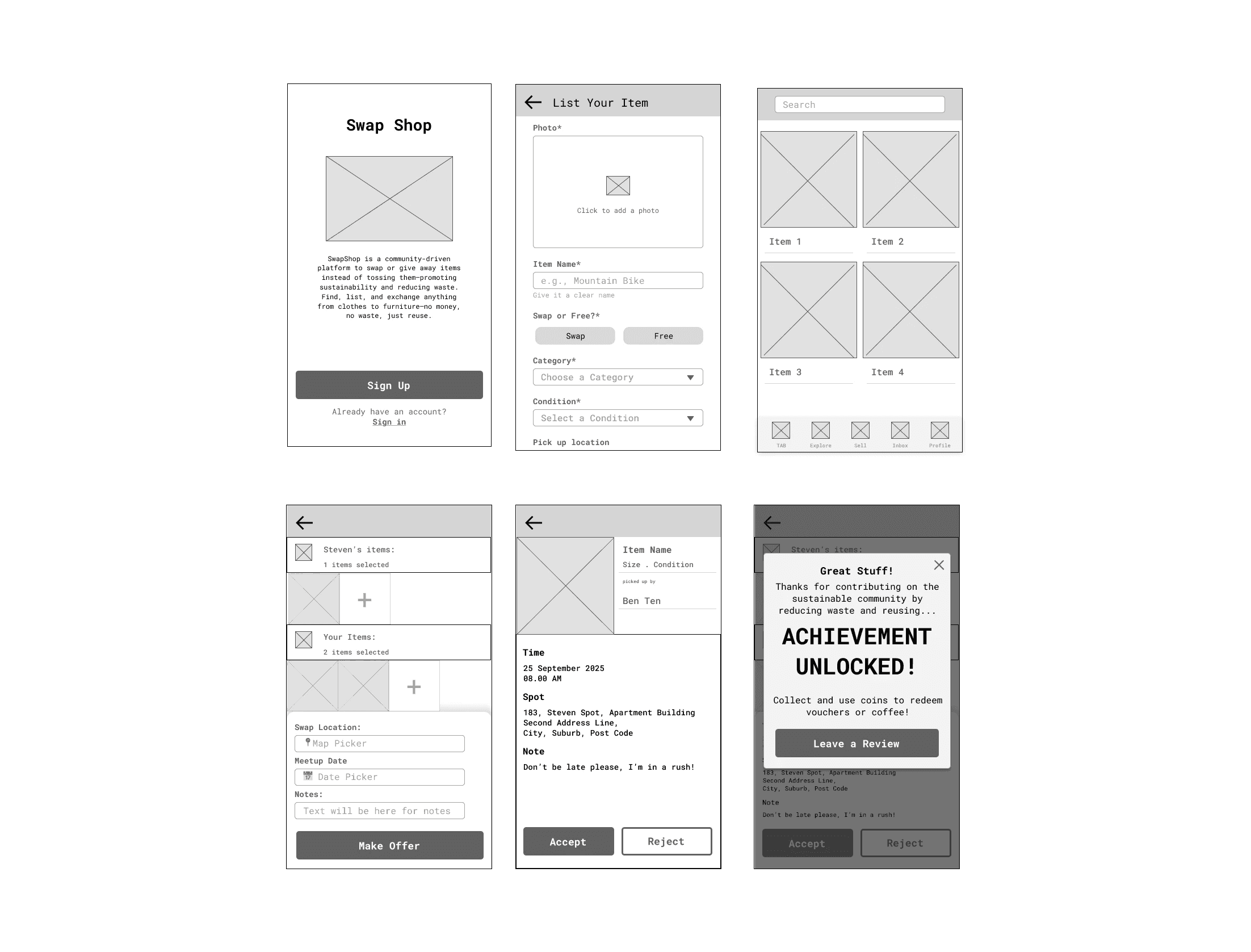
Selected screens from low-fidelity prototypes
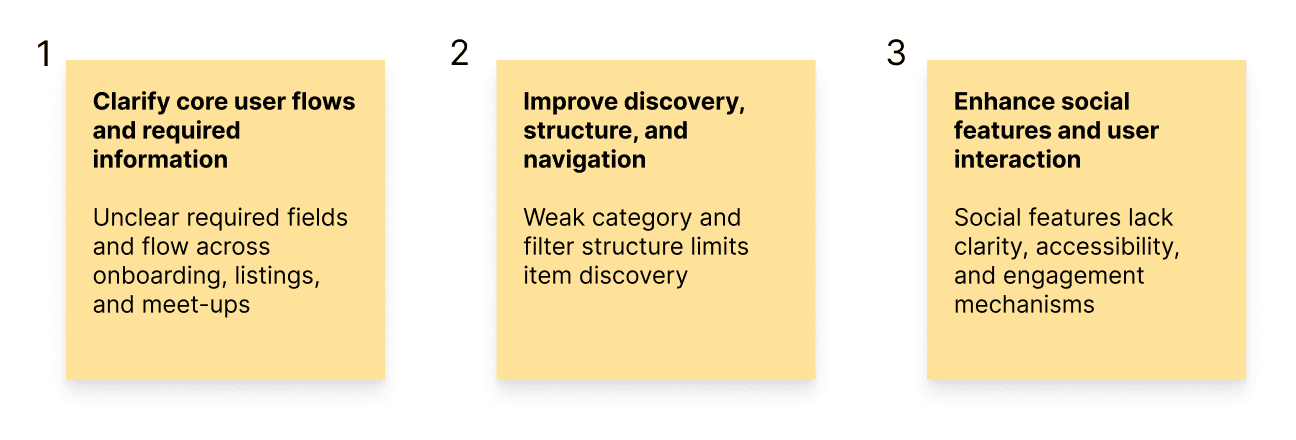
Key User Feedback Points
Insights used to inform the next high-fidelity design iteration.
Key User Feedback Points
Insights used to inform the next high-fidelity design iteration.
First Solution
First high-fidelity prototype informed by user feedback from low-fidelity prototypes.
First high-fidelity prototype informed by user feedback from low-fidelity prototypes.
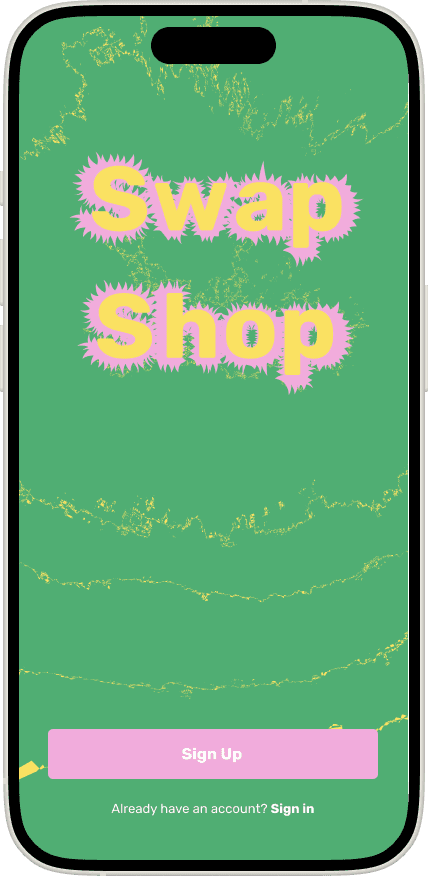
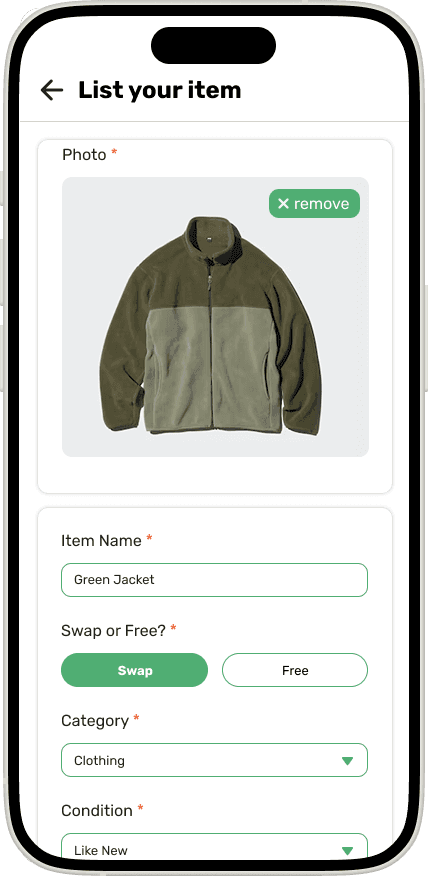
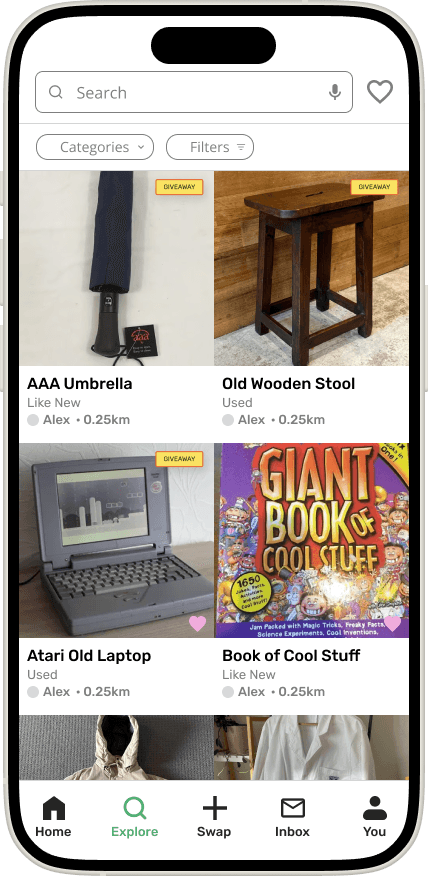
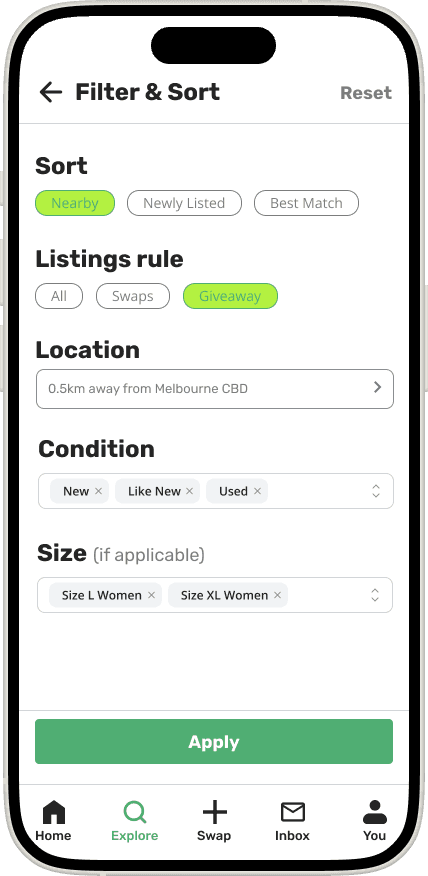
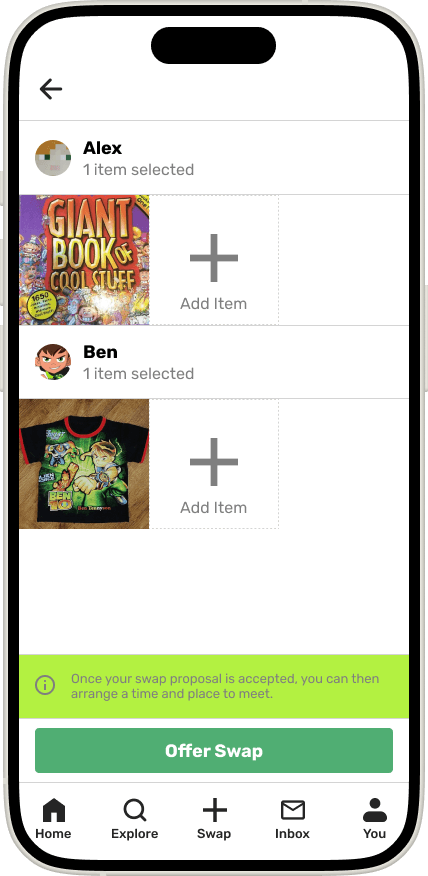
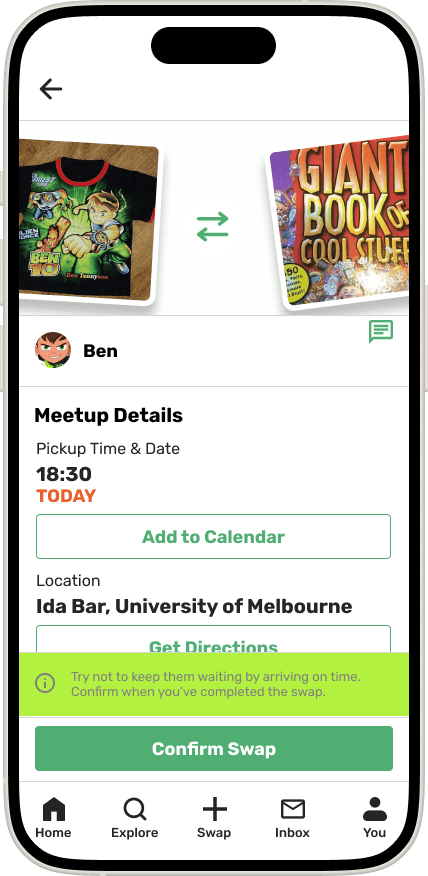
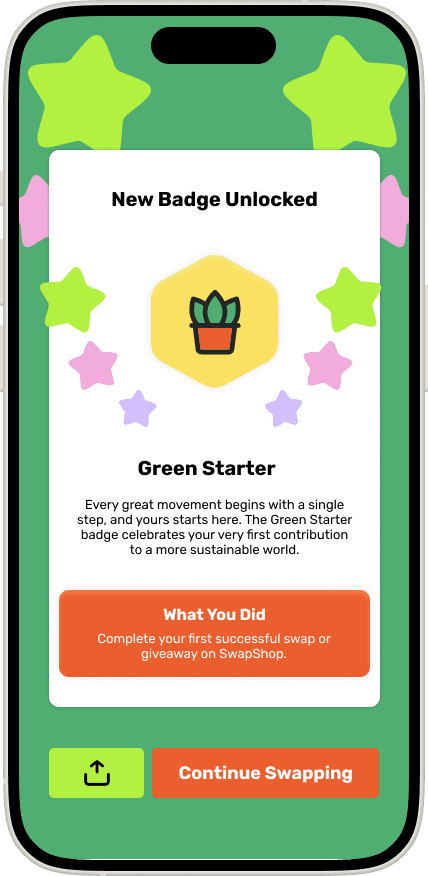
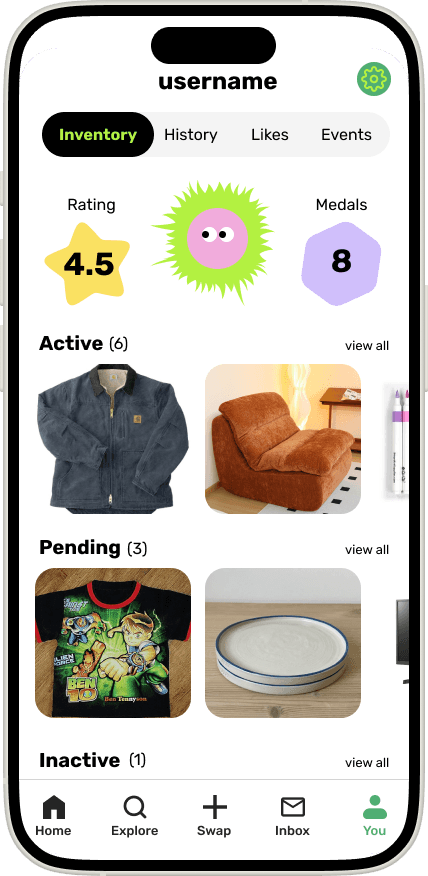
Selected screens from first high-fidelity prototypes
Validation
Usability testing was conducted using task-based scenarios to evaluate the app's main user flows with 10 participants from the target demographic using a Figma prototype of the app.
Usability testing was conducted using task-based scenarios to evaluate the app's main user flows with 10 participants from the target demographic using a Figma prototype of the app.
Key Findings
Key Findings
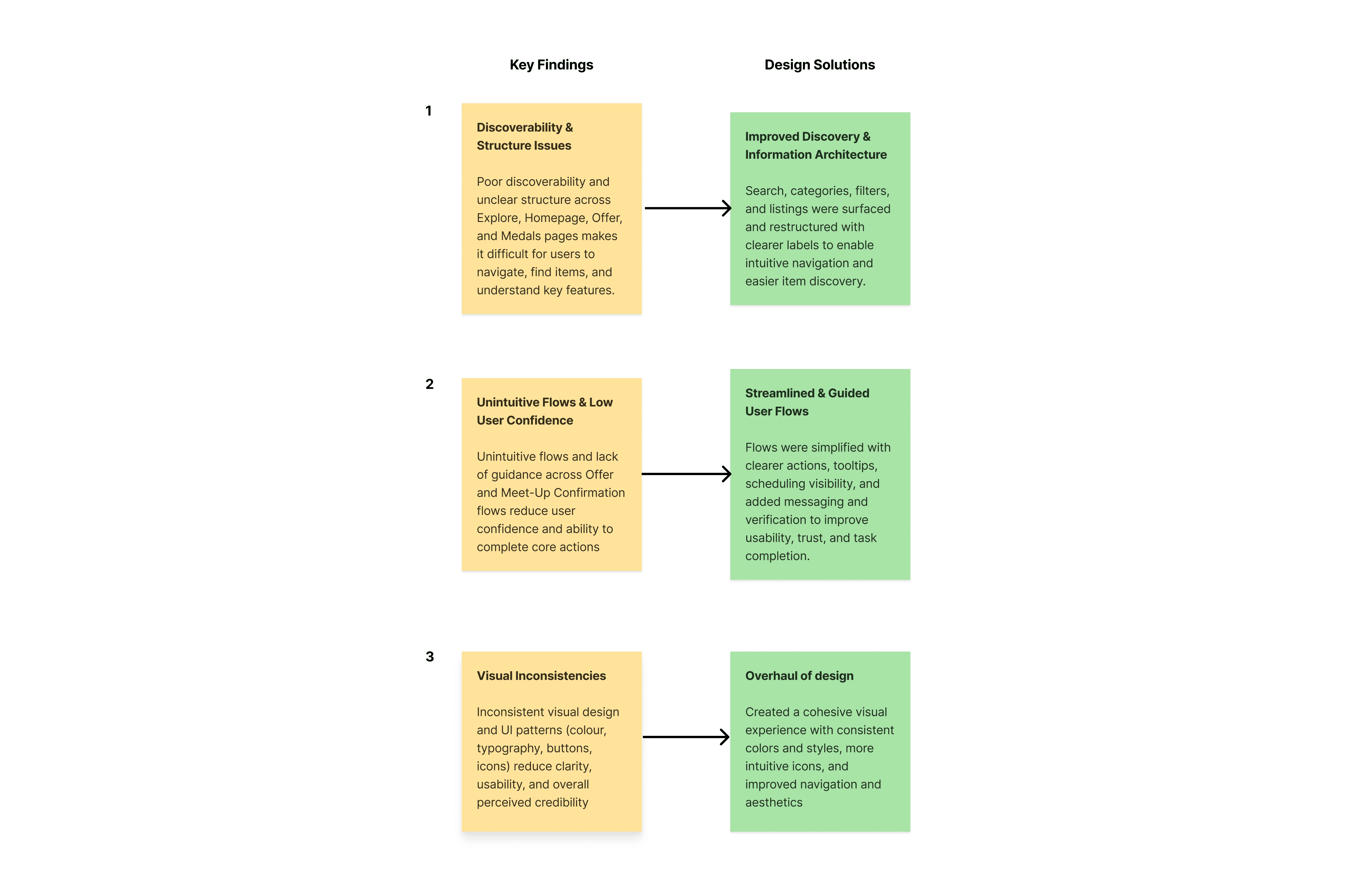
Top 3 key findings from user testing with proposed design solutions
Data Analysis Process
Data Analysis Process
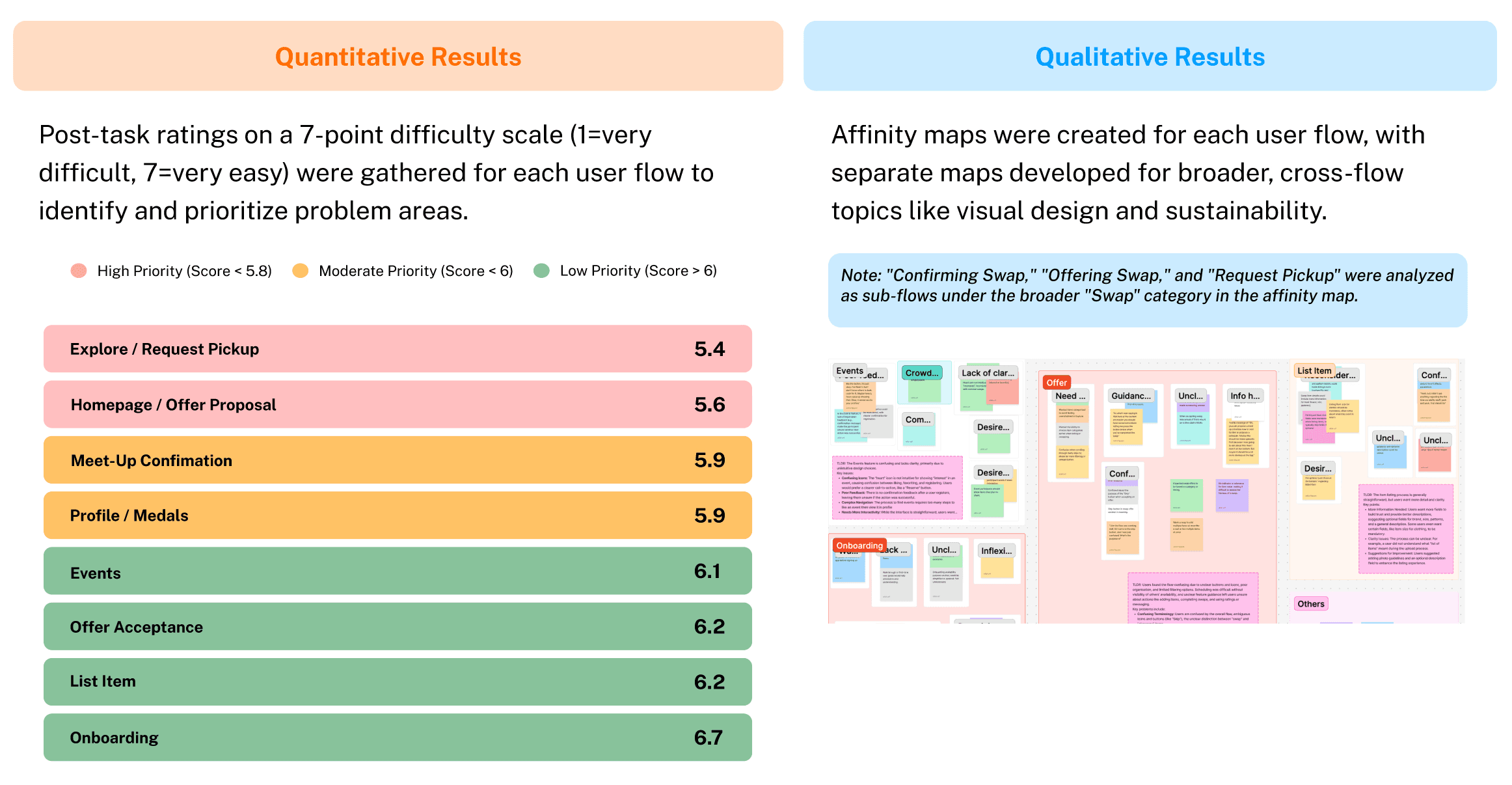
Processing user testing results using quantiative and qualitative data analysis methods
Solution
We designed SwapShop, a peer-to-peer platform that turns item swapping into a social, engaging experience through gamification, community events, and built-in safety features.
We designed SwapShop, a peer-to-peer platform that turns item swapping into a social, engaging experience through gamification, community events, and built-in safety features.
Swap Shop product concept video
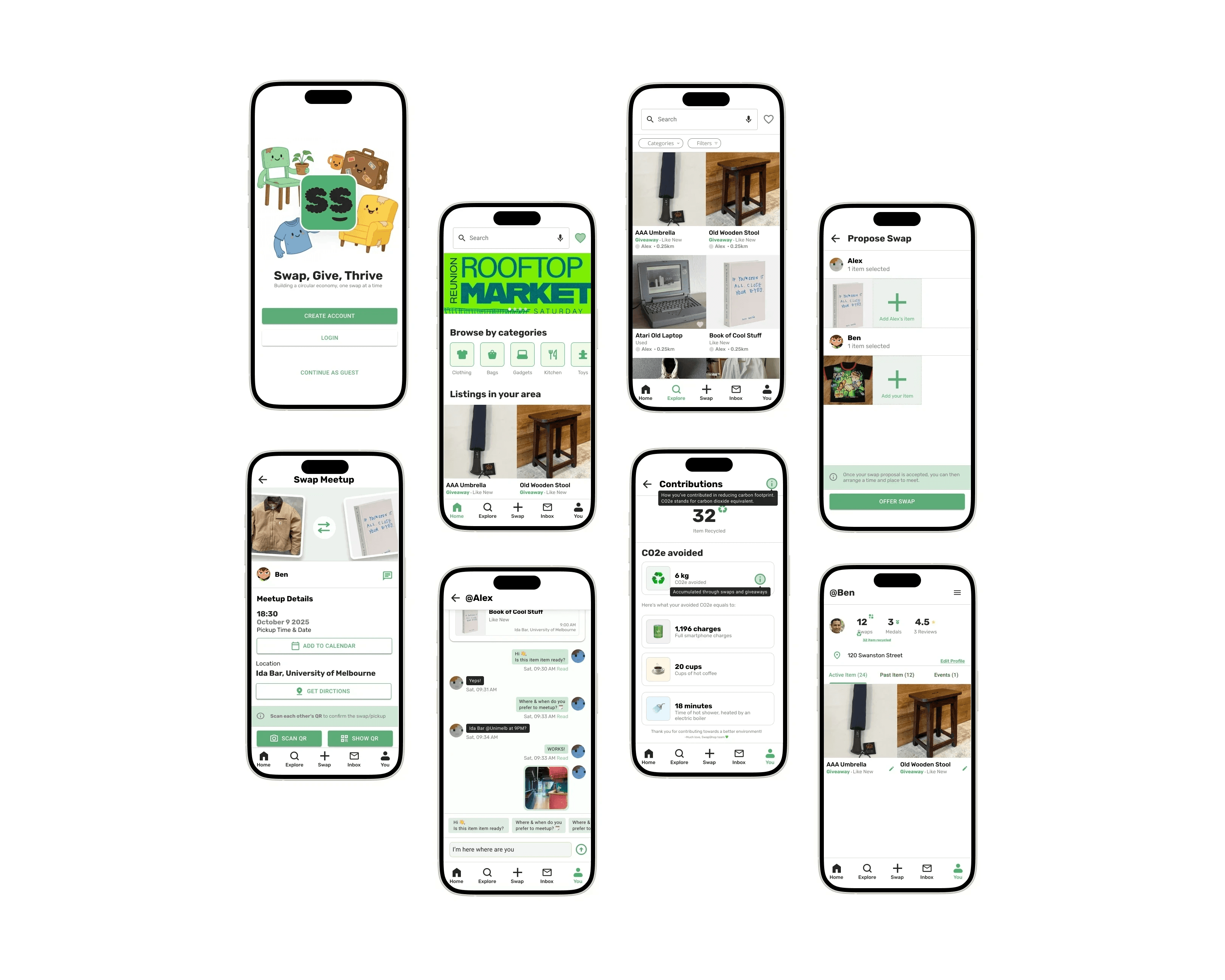
selected screens from final high-fidelity prototypes
Impact
Reframing swapping as a social experience through gamification, community events, and trust features increased user engagement and interest. User testing identified key usability issues, enabling iterative improvements and resulting in a more intuitive final prototype, while highlighting the value of social drivers in sustaining platform engagement.
Reframing swapping as a social experience through gamification, community events, and trust features increased user engagement and interest. User testing identified key usability issues, enabling iterative improvements and resulting in a more intuitive final prototype, while highlighting the value of social drivers in sustaining platform engagement.
Learnings
This project revealed the limitations of designing for only the “happy path,” highlighting the need to consider edge cases, test more complete prototypes, and include diverse users. Time constraints also led to assumption-driven decisions, reinforcing the importance of conducting thorough user research early in the process.
This project revealed the limitations of designing for only the “happy path,” highlighting the need to consider edge cases, test more complete prototypes, and include diverse users. Time constraints also led to assumption-driven decisions, reinforcing the importance of conducting thorough user research early in the process.